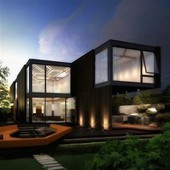
Flexible and versatile space
Containers can be freely combined, stacked, or disassembled, and the layout can be quickly adjusted according to the size of the site and functional requirements. For example, a single container can be used as a small coffee bar, and multiple containers can be combined to form a large dining area, private room, or multifunctional space, adapting to different scene needs.
Fast construction speed
The container is a prefabricated module that only requires simple installation and renovation on site, significantly reducing the construction period compared to traditional buildings. It usually takes several days to weeks to complete the construction, making it suitable for quick opening or temporary event venues.
High cost-effectiveness
The price of the container itself is relatively low, and the cost of renovation is controllable. No large-scale civil engineering is required, reducing costs such as foundation treatment and wall masonry, and the overall investment cost is lower than that of traditional restaurants. Meanwhile, the reusable feature reduces long-term operating costs.
Industrial style design sense
The container retains the original metallic texture, box structure, and splicing traces, creating a unique industrial atmosphere. By combining elements such as glass, wood, and lighting, a minimalist, fashionable, or retro style can be created to attract consumers who pursue individuality.
Environmentally sustainable
The transformation of waste containers has achieved resource reuse and reduced the generation of construction waste. Some restaurants also incorporate green technologies such as solar panels and rainwater collection systems to further enhance their environmental performance.
Strong mobility
Container restaurants can be easily relocated to different locations to adapt to urban renewal, temporary events, or seasonal needs. For example, flexibly layout vacant urban land, parks, camping sites, and other places to expand commercial space.
High functional integration
Internally, functional areas such as kitchen, dining area, bar counter, and bathroom can be reasonably divided to meet the needs of catering operations. Some restaurants also combine display areas, leisure areas, or art spaces to enhance customer experience.
Strong visual impact
The unique appearance and color matching make it a part of the urban landscape, easily attracting the attention of passersby and becoming a popular check-in spot for internet celebrities, which helps to enhance brand awareness and customer traffic.
Characteristics Of Container Restaurant
Jan 26, 2026
Leave a message
You Might Also Like