


When retail design blends industrial flair with precision-built quality, a distinct destination takes shape: the shipping container shopping mall-a concept that leans on brand-new containers, not repurposed freight units, to craft its spaces.
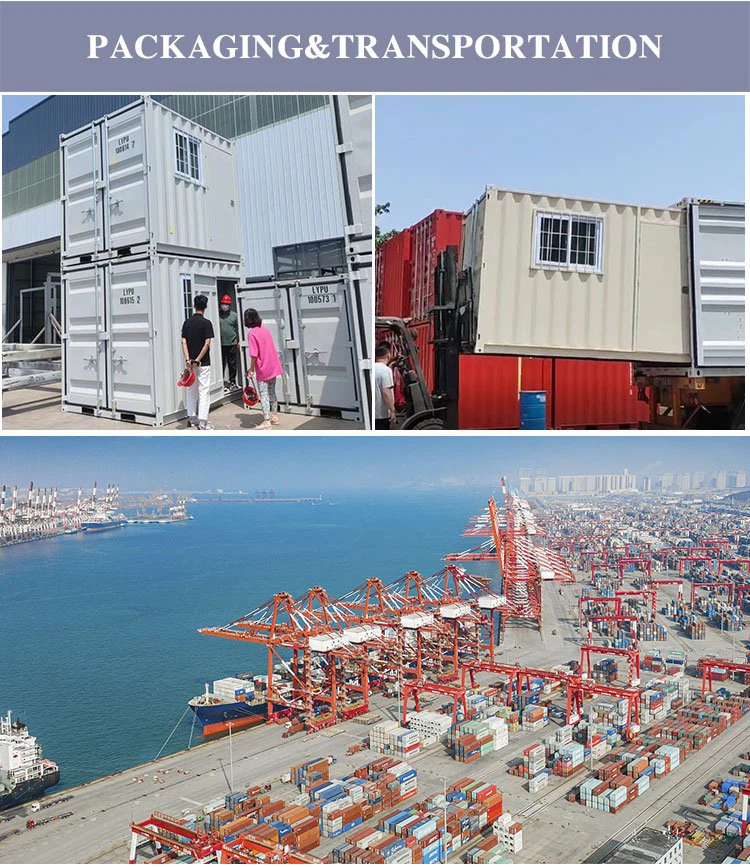
This vision comes to life through the prefab container shopping mall model: rather than on-site construction or modular assembly, each container undergoes full customization in a factory setting. Teams here cut structural frames to fit retail layouts, apply tailored paint finishes, and complete interior renovations (from flooring to lighting fixtures) before the units are transported to the final location. This factory-led process ensures consistent, high-quality finishes while drastically reducing on-site work timelines.
What elevates this container shopping mall is its refined industrial charm. The brand-new containers, with their crisp, factory-applied exteriors and pre-finished interiors, balance rugged metal texture with retail-ready polish: floor-to-ceiling storefronts installed off-site, cohesive color schemes, and pre-fitted fixtures create an atmosphere that feels both intentionally edgy and thoughtfully curated. Shoppers navigate walkways flanked by these sleek units, where boutiques and cafes occupy spaces that merge industrial aesthetics with the polish of purpose-built retail.
Beyond style, this approach offers practical perks: the factory's controlled environment eliminates on-site construction variables, while new containers ensure long-term durability without the wear of repurposed alternatives. For visitors, it's a retail experience that feels both trendy and refined-proof that a container shopping mall can marry industrial character with the precision of factory-crafted design, all while streamlining the build process from start to finish.
Here's the comparison table of advantages between container shopping malls and traditional malls:
|
Comparison Dimension |
Container Shopping Mall |
Traditional Mall |
|
Construction Efficiency |
Factory-customized (cutting, painting, fitting done off-site); on-site work only involves positioning & installation, drastically shortening timelines (unaffected by weather/site issues). |
On-site construction (subject to weather delays, site constraints); longer timelines due to step-by-step on-site work. |
|
Cost Control |
Factory batch production reduces material waste & labor costs; lower on-site management/coordination expenses, flexible overall budget. |
Higher material waste & on-site labor costs; additional expenses for on-site management & problem-solving. |
|
Durability |
New steel container structure (wind/earthquake-resistant); factory-standard protective treatments ensure long-term wear resistance. |
Mixed materials (varies by construction quality); may require frequent maintenance for structural/finish issues. |
|
Experience & Aesthetics |
Polished industrial-style exterior + factory-finished interiors; unique, trendy visual appeal (more distinctive than generic mall design). |
Generic, uniform design; less visual differentiation, often lacks niche/aesthetic character. |
|
On-site Impact |
Minimal on-site disruption (no large-scale noise/dust from construction); low interference to surrounding environment/crowds. |
Significant on-site noise, dust, and traffic disruption during construction; long-term impact on nearby areas. |
OTHER PRODUCTS:


Hot Tags: shipping container shopping mall, China shipping container shopping mall manufacturers, suppliers, Container Kiosk Street Design, Toilet for Tourism, Container Labor Housing, Container House Kitchen, Prefab Club Houses, Military Camping Buildings


